
Stop Overthinking, Start Executing
Why Most Planners Don’t Work for You
If you’re an introvert with ADHD, you’ve seen planners fail again and again. You buy a planner with good intentions. You feel motivated. You feel in control. You feel like you’re about to get your life together.
If you’ve ever struggled to stay consistent when life gets overwhelming, you’re not alone.
For a few days, maybe even a full week, everything works.
You plan your days. You tick off tasks. You feel productive.
Then something small happens.
You miss a day. You get busy. You wake up tired.
And suddenly the system starts to feel heavy. You skip another day. Then another. And before long, the planner becomes just another reminder of something you meant to do but didn’t stick with. This is the crucial point most people miss. They think:
👉 “I just need more discipline.” 👉 “I need to try harder.” 👉 “I need a better planner.”
But the truth is: planners should adapt to you. The system failed you—the problem lies with the planner, not you. Most planners are built for people who:
- enjoy structure
- have consistent routines
- don’t struggle with starting tasks
That’s not how ADHD works. And it’s definitely not how introverts operate either.
ADHD brains don’t respond well to rigid systems. Introverts don’t respond well to constant stimulation.
Combine the two, and most traditional planners simply don’t fit.
You don’t need more structure. You need something that:
- reduces friction
- feels easy to use
- works even when your energy is low
This article will help you find a planner that works for your brain.

My Experience: The Planner Trap Most People Fall Into
For years, I believed that the next planner would fix everything. Every time I bought one, I felt like I was starting fresh.
A new system. A new routine. A new version of myself. I tried:
- detailed hourly planners
- productivity journals
- habit tracking systems
- digital apps
- bullet journals
And every single time, the same pattern repeated:
Excitement → Overload → Inconsistency → Quit
At first, I blamed myself. But after repeating this cycle enough times, I started to notice something:
👉 The more complicated the planner, the faster I stopped using it.
That was the turning point.
I stopped asking: “What’s the best planner?”
And started asking: “What’s the simplest system I can use every single day?”
That question changed everything.
Why Most Planners Fail ADHD Introverts
1. Too Much Structure Creates Resistance
Traditional planners try to organise your entire day:
- morning routines
- hourly schedules
- detailed planning blocks
For ADHD, this creates pressure.
And pressure creates avoidance.
Instead of helping you take action, it makes you hesitate.
Overthinking and procrastination are often at the root of inconsistent planning habits.
2. Too Many Decisions Kill Momentum
ADHD brains struggle with decision fatigue.
When a planner asks you:
- what to prioritise
- where to write things
- how to organise tasks
You end up thinking instead of doing.
3. Perfectionism Destroys Consistency
Miss one day, and suddenly:
- the page is incomplete
- your system feels broken
- you feel like you failed
So instead of continuing, you stop completely.
4. Introverts Get Overstimulated Easily
You don’t need more noise.
You don’t need colourful pages filled with prompts.
You need: 👉 space 👉 clarity 👉 calm
5. No Immediate Reward = No Habit
ADHD brains rely on feedback.
If your system doesn’t give you:
- quick wins
- visible progress
- a sense of completion
You won’t stick with it.
Why Simplicity Beats Motivation (Every Time)
Most people wait for motivation.
That’s a mistake.
Motivation is inconsistent. Simplicity is reliable.
When your system is simple:
- you don’t overthink
- you don’t hesitate
- you just start
That’s the goal.
Not perfect planning.
👉 Consistent execution.
This is exactly why building discipline matters more than relying on motivation.
What Makes a Planner Actually Work for ADHD Introverts
Before choosing a planner, focus on this.
The best planner is not the most advanced one.
It’s the one you use consistently.
Here’s what matters:
Minimal Design
Less clutter = less resistance
Flexible Structure
You can skip days without feeling like you failed.
3-Task Rule
Anything more = overwhelm.
Fast Setup
If it takes more than 2 minutes, you won’t use it.
Built-In Reflection
Introverts naturally reflect—use that to your advantage.
How I Tested These Planners (Real Criteria)
I didn’t just read reviews.I tested planners based on real life.
Here’s what I looked for:
- Can I use it on a busy day?
- Does it take less than 2 minutes?
- Do I still use it after a week?
- Does it simplify my thinking?
- Do I want to open it again tomorrow?
Most planners failed quickly.
Only a few passed the test of: 👉 “Would I still use this when I don’t feel like it?”
Why ADHD Brains Struggle With Traditional Planning
If you’ve ever felt like planning should work for you, but somehow it doesn’t, there’s a reason for that.
ADHD isn’t just about attention.
It affects:
- decision-making
- task initiation
- emotional regulation
- consistency
Traditional planners assume that once something is written down, you’ll just do it.
But with ADHD, the real challenge is getting started.
You can have the perfect plan and still feel stuck.
That’s why most systems fail.
They focus on organisation, not execution.
And for ADHD, execution is everything.
This is why simple systems work better:
- fewer decisions
- less resistance
- faster action
The goal isn’t to create a perfect plan.
👉 The goal is to make starting as easy as possible.
The Best Planners for ADHD Introverts (Tested & Ranked)
🥇 1. Full Focus Planner – Best for Structured Discipline
This planner gives you structure, helping you feel focused and in control without overwhelming you.
When you open it, you don’t feel lost.
You feel focused.
Instead of writing long to-do lists, you identify your “Big 3” tasks for the day.
That alone removes 80% of the mental clutter.
What a typical day looks like: You open the planner in the morning, write your top 3 priorities, and start working immediately.
No overthinking.
No decision fatigue.
Why it works:
- forces clarity
- reduces overwhelm
- builds consistency
🥈 2. Panda Planner – Best for Simplicity & Consistency
If you struggle with overthinking, the Panda Planner helps you get started quickly with simple steps.
It’s simple.
Almost too simple.
And that’s exactly why it works.
What a typical day looks like: You open the planner, write 3 priorities, note one positive thing, and you’re done in under a minute.
You move straight into action.
Why it works:
- minimal effort
- quick wins
- easy to stick with
Who the Panda Planner Is NOT For
This is important.
The Panda Planner works extremely well for simplicity—but it’s not for everyone.
It may not be the best choice if:
- you like detailed long-term planning
- you want to schedule every hour
- you enjoy complex systems
But if you:
- overthink
- struggle to start
- quit planners easily
This is exactly the kind of tool that can finally stick.
Because it removes the biggest problem:
👉 thinking too much before taking action.
🥉 3. Passion Planner – Best for Flexible Thinkers
This planner gives you more freedom, allowing flexible thinking and life organisation without strict boundaries.
It’s less about strict productivity and more about overall life organisation.
What a typical day looks like: You map out your week with flexibility, balancing goals and daily tasks.
Downside: Too much freedom can lead to inaction.
🔥 4. Productivity Planner – Best for Deep Work

This planner is built around focused work sessions, helping you improve concentration and track progress.
It’s ideal if you want to improve concentration.
What a typical day looks like: You break your work into focused blocks and track your progress.
Why it works:
- builds focus
- encourages deep work
- reduces distractions
🧘 5. Monk Manual – Best for Reflection

This planner focuses more on awareness, providing calm reflection and supporting mindfulness.
It’s calm, simple, and reflective.
Why it works:
- aligns with introvert thinking
- encourages mindfulness
⚡ 6. Notion – Best Digital Option
Powerful, versatile, but can lead to overcomplicating your planning process if not managed.
You can build anything.
But you can also overcomplicate everything.
Use it carefully.
🧩 7. Bullet Journal – Best DIY System
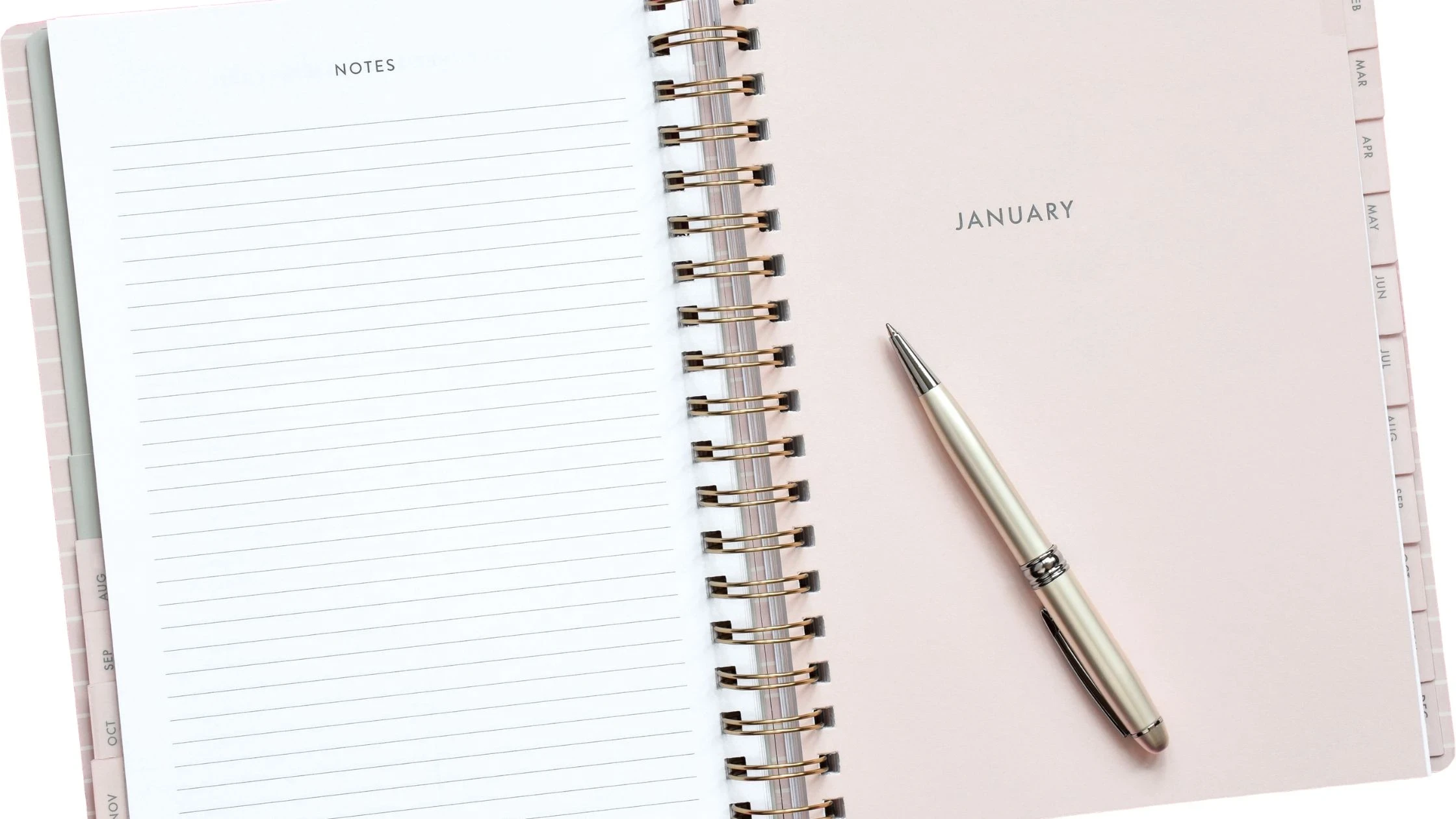
Bullet Journal offers complete freedom for customisation, but requires discipline to keep it simple.
But also complete responsibility.
Great if you keep it simple.
Quick Comparison Table
Here’s a quick comparison of the best ADHD planners:| Planner | Best For | Simplicity | Structure | Best Feature |
|---|---|---|---|---|
| Panda Planner | Beginners | ⭐⭐⭐⭐⭐ | ⭐⭐⭐⭐ | Quick daily setup |
| Full Focus | Discipline | ⭐⭐⭐⭐ | ⭐⭐⭐⭐⭐ | Big 3 system |
| Passion Planner | Flexibility | ⭐⭐⭐⭐ | ⭐⭐⭐ | Open layout |
| Productivity Planner | Deep Work | ⭐⭐⭐ | ⭐⭐⭐⭐ | Focus sessions |
| Monk Manual | Reflection | ⭐⭐⭐⭐ | ⭐⭐ | Mindfulness |
| Notion | Digital users | ⭐⭐⭐ | ⭐⭐⭐⭐⭐ | Custom systems |
👉 Browse all planners on Amazon
Which Planner Should You Choose?
Keep this simple:
- Overthinker → Panda Planner
- Discipline-focused → Full Focus
- Flexible mindset → Passion Planner
- Digital user → Notion
- Reflective thinker → Monk Manual
Paper vs Digital Planners
Paper = focus Digital = flexibility
Start with paper.
How to Actually Use a Planner (This Is What Matters)

Most people overcomplicate this.
Don’t.
Morning:
- 3 tasks
- 1 must-win
Midday:
- check progress
Evening:
- review
Weekly:
- reflect
Rule:
👉 If it feels heavy, simplify it.
This simple system works best when combined with a consistent daily structure.
My Personal Recommendation
Start simple.
The Panda Planner is the easiest way to build consistency.
If you want something simple and proven, this is a great place to start: 👉 Check Panda Planner price and reviews on Amazon
How to Choose the Right Planner (Without Overthinking)
Choosing a planner can feel overwhelming.
Ironically, that’s exactly what we’re trying to avoid.
So keep this simple.
Ask yourself one question:
👉 “What is the easiest system I will actually use every day?”
Not the most powerful. Not the most detailed.
The easiest.
If you:
- overthink → choose simple
- struggle with discipline → choose structured
- like flexibility → choose open layouts
The wrong choice isn’t choosing a bad planner.
👉 The wrong choice is choosing something you won’t use.
The Mistake That Keeps You Stuck (Even With the Right Planner)
Most people think the planner is the solution.
It’s not.
The real mistake is this:
👉 trying to do too much at once.
You start with:
- 10 tasks
- a perfect schedule
- high expectations
And within a few days, it collapses.
Not because you failed.
Because the system was too heavy.
The solution is simple:
👉 lower the bar
Start with:
- 3 tasks
- 1 priority
- 1 small win
Consistency builds momentum.
Momentum builds discipline.
And discipline changes everything.
Final Thoughts
It’s not about the planner.
It’s about:
- simplicity
- consistency
- execution
Winning comes from keeping things simple, showing up consistently, and taking action—even on your worst days.

Frequently Asked Questions About ADHD Planners
What is the best planner for ADHD introverts?
The best planner is one that is simple, flexible, and easy to use daily. For most people, something like the Panda Planner works well because it focuses on just a few priorities without overwhelming you.
Are digital planners better for ADHD?
Digital planners can work, but they often lead to overcomplication. If you tend to overthink or get distracted easily, a simple paper planner is usually the better starting point.
Why do I keep quitting planners?
Most people quit planners because they are too complex or time-consuming. If a system feels heavy, your brain will avoid it. The key is to keep it simple enough to use even on your worst days.
Should I use a daily or weekly planner?
Daily planners are usually more effective for ADHD because they focus your attention on what needs to be done today, rather than overwhelming you with the whole week.
How many tasks should I plan per day?
Stick to the 3 main tasks. Anything more increases overwhelm and reduces the chances of actually completing them.
Can a planner really help with ADHD productivity?
Yes—but only if it’s used consistently. The planner itself isn’t the solution. It’s a tool that helps you create structure and clarity, which leads to better focus and execution.
What is the simplest planner system that works?
A simple system is:
- 3 tasks per day
- 1 must-win task
- quick daily review
That’s enough to build consistency without overwhelm.
Recommended Reading for ADHD Introverts
If you want to go deeper and build consistency, discipline, and focus in your daily life, these guides will help you take the next step:
👉 How to Stay Consistent When Life Gets Overwhelming Learn how to stay on track even when motivation disappears and life gets chaotic.
👉 How To Build Self-Discipline When You Have ADHD A practical guide to developing discipline without relying on motivation or willpower
👉 15 Daily Rituals of Highly Successful Introverts Simple habits you can implement daily to improve focus, energy, and mental clarity.
👉 How to Recharge as an ADHD Introvert in a Loud World Learn how to protect your energy and recover properly so you can stay consistent over the long term.
👉 Understanding and Managing Procrastination: A Guide for Introverts Break the cycle of overthinking and procrastination with simple, actionable strategies.
Thank you for your time. I hope you found this article helpful. If you have any questions, please comment below or contact me here.
Have a great day!